

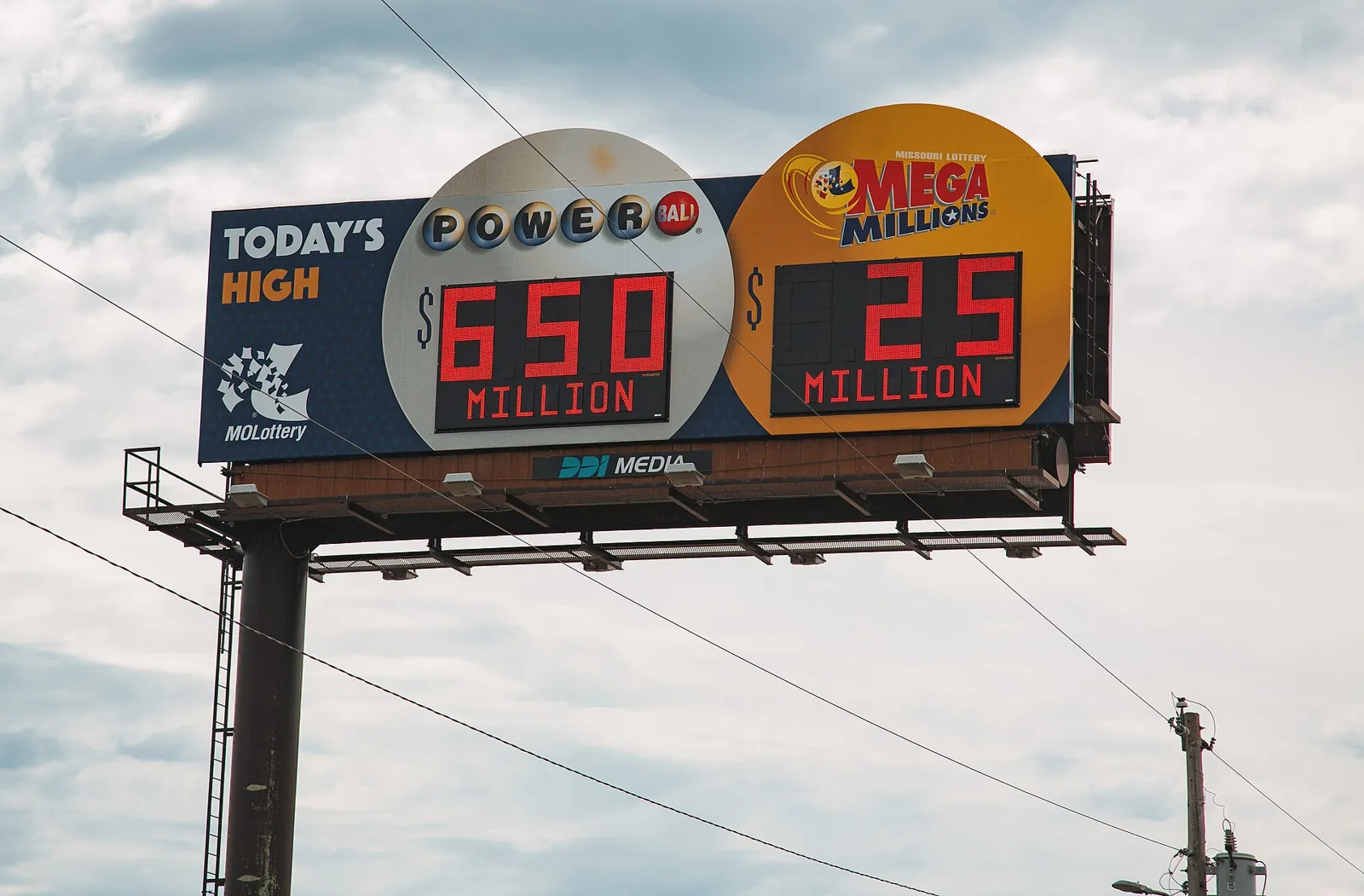
The billboards say $562 million. The tax office reads the same number differently: as the starting point of a queue, in which it stands first. Before the winner of the mid-October Powerball jackpot can spend, donate or invest anything, mandatory federal withholding is deducted from the prize — automatically, at the moment of payment, with no forms to negotiate and no discretion to defer. Our daily tips desk explains the order of payment, because for winners the sequence is the story.
First in the queue: federal withholding
Large lottery prizes are subject to automatic federal withholding at a flat rate applied to the winnings. The mechanism is the same one that trims a payslip, scaled to a life-changing sum: the lottery pays the winner net, and remits the withheld share directly to the Treasury. The winner never holds that money, which is precisely the design — the system collects at the one moment it is certain the money exists.
Crucially, withholding is a prepayment, not a settlement. The IRS treats lottery winnings as taxable income, and a prize of this magnitude places the winner in the top marginal bracket. The difference between the flat withheld rate and the winner’s actual liability is settled later, at filing — a second, substantial payment that unprepared winners have historically been shocked by, sometimes after spending as if the first cheque were the whole story.
Second: the state decides its share
State tax follows, on rules that vary so widely they change the meaning of the same jackpot. A handful of states levy no tax on lottery prizes; others tax winnings as income at their full ordinary rates; in some places a city layer sits on top. The governing state is generally the one that sold the ticket. On $562 million, the spread between the kindest and harshest state treatment is not a rounding error — it is a fortune in its own right, which is why jackpot coverage fixates on the winning ticket’s postcode.
Third: the payout shape changes the tax timing
The winner’s own big choice — lump sum or thirty-year annuity, both detailed in the official Powerball rules — interacts with the queue. The lump sum concentrates the entire taxable event into one year. The annuity re-runs the withholding-and-settlement cycle annually for three decades, smoothing bracket exposure while extending the tax relationship across a generation of budgets and law changes. Neither escapes the queue; they schedule it differently.
A short checklist for the morning after
Winners’ advisers share a remarkably consistent first-week checklist, and it is worth printing before anyone needs it. Sign the ticket and secure it. Say nothing publicly until representation is in place. Assemble the fiduciary team — lawyer, tax adviser, planner — before claiming, because the annuity-or-cash election and the withholding picture interact. Reserve the estimated full tax liability, not just the withheld slice, in an account no one touches for spending. Then, and only then, start the enjoyable arithmetic on what remains. None of these steps requires financial genius; all of them are routinely skipped in the first flush of victory, which is why the tax office’s patience — it can wait; the winner’s creditors and cousins often cannot — is the calmest force in the whole story. The queue forms whether the winner plans for it or not. Planning is simply deciding to meet it standing up.
What actually arrives
Net of the cash-option discount, federal withholding, the eventual federal top-up and state tax, the winner’s true, spendable prize is a fraction of the billboard figure — still a fortune by any sane measure, but a different fortune from the one the headline sold. Every experienced jackpot adviser gives the same first instruction, and it is about the queue: segregate the estimated tax before any celebration spending, because the tax office’s position is not negotiable and its memory is perfect.
Jackpot week runs on fantasy arithmetic, and there is no harm in the fantasy. But the real prize is written in the payment order: Treasury first, state second, winner third — with the winner’s own choices deciding how the third share is timed. The draw lasts minutes. The queue lasts as long as the money does, and understanding it is the first genuinely lucky thing a winner can do.
