

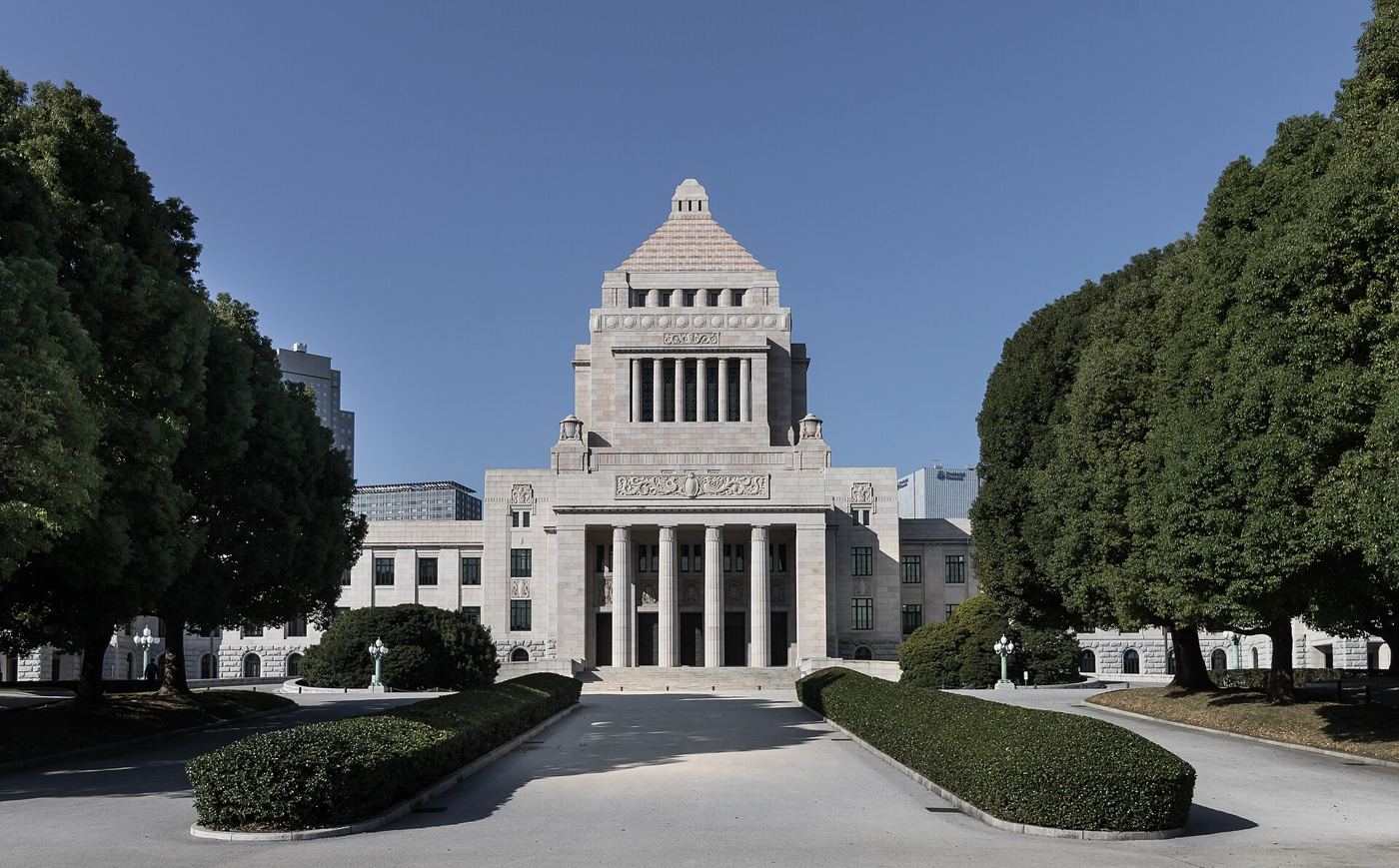
Japan’s cabinet has approved a 21.3-trillion-yen stimulus package, worth about 135 billion dollars, the largest since the Covid pandemic. The package was approved on 21 November 2026, the first major economic initiative under Prime Minister Sanae Takaichi, who took office last month and champions what she calls responsible and proactive fiscal policy. General account spending of 17.7 trillion yen is nearly 4 trillion yen more than last year’s package of 13.9 trillion yen. The package also includes 2.7 trillion yen of tax cuts, from scrapping the gasoline tax surcharge and raising the income tax threshold. Spending is split between 8.9 trillion yen for livelihoods and high prices, 6.4 trillion yen for crisis management and economic growth, and 1.7 trillion yen for defence and diplomacy. Families will receive 20,000 yen per child, and energy bills will be subsidised by about 7,000 yen per average household over the first three months of next year.
What the Evidence Shows
The government plans to submit a supplementary budget to fund the package, aiming for parliamentary approval by the end of the year, with subsidies and grants starting in January. About 11.7 trillion yen of the spending will be funded by new government bonds, roughly 64 percent of the supplementary budget, with the rest covered by higher-than-expected tax revenue and surpluses. Financial markets have reacted warily since Takaichi took office, with the yen weakening and bond yields rising, and the reaction intensified after the package was announced. Japan already carries one of the heaviest public debt loads in the developed world, and economists warn the stimulus pushes the goal of a primary budget surplus further out of reach. The government expects the package to lift GDP by 24 trillion yen, an annualised rate of 1.4 percent. Reporting and analysis from sources such as World Bank track the same developments, and specialists following Japan’s ¥21.3 trillion stimulus package say the direction is now consistent across independent lines of evidence.
The Wider Context
For households and small firms, Japan’s ¥21.3 trillion stimulus package matters through prices and access rather than through market commentary. Changes at this level arrive as a rate on an offer letter, a fee on a statement or a product that quietly disappears from a comparison table. Consumer groups argue that transparency at exactly that point of decision is worth more than any amount of market-level reporting.
What Happens Next
The outlook for Japan’s ¥21.3 trillion stimulus package hinges on policy choices that will be made in the open over the coming quarters. Market participants are positioned for more than one outcome, which is why the immediate reaction to each announcement has been smaller than the commentary around it. For ordinary savers and borrowers, the advice from every quarter is the same: review your own position, not the headlines. You can follow related developments in our coverage of finance.
It is also worth remembering how quickly the picture in this area has changed before. Positions that looked settled a few years ago have been revised as new data arrived, and the same humility is appropriate now. The strongest coverage of this subject, and the most useful advice, tends to come from sources that update their views openly when the facts move, rather than defending an earlier position long after it has stopped fitting the evidence available.
