

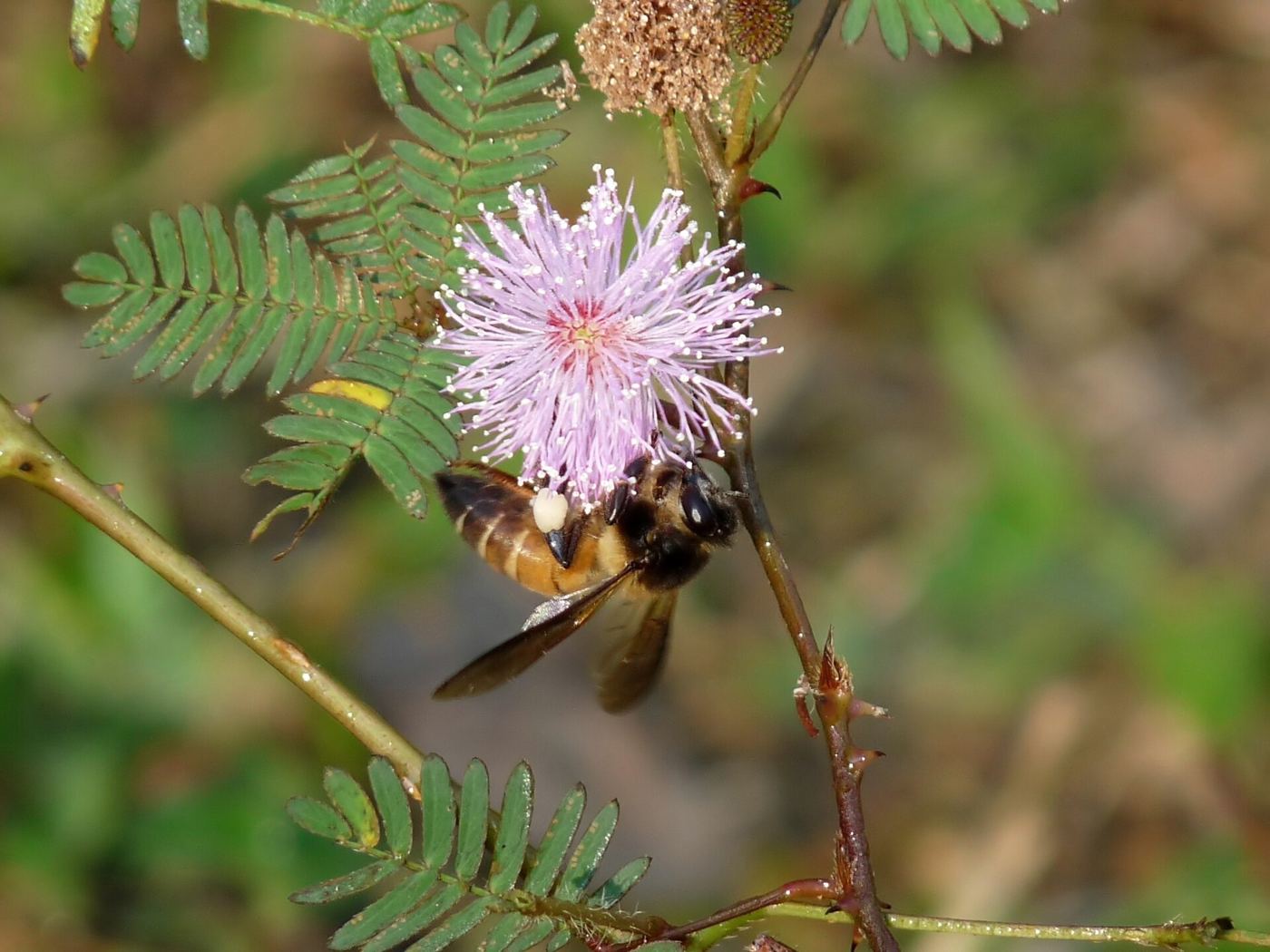
On a warm morning, a honeybee moving from flower to flower is doing far more than collecting food for its colony. As pollen sticks to its body and brushes onto the next bloom, the bee helps plants produce seeds and fruit. Many garden crops and wildflowers depend on insects for this transfer, which is why pollinators attract so much scientific and public attention. Honeybees are the most familiar species, but bumblebees, solitary bees, butterflies and other insects also play important roles. Researchers study which flowers different pollinators visit, how far they travel and how weather, habitat loss and pesticide exposure affect their ability to survive and reproduce throughout each active season.
What the Evidence Shows
Protecting pollinators does not require a large farm or research budget. Leaving some flowers to bloom, providing shallow water, avoiding unnecessary insecticide use and planting a sequence of nectar rich plants across the seasons can all help in gardens and public spaces. Scientists caution against simple claims that one action will save bees, because pressures on pollinators are varied and differ by species and place. Monitoring schemes, where volunteers record insects they see, provide valuable evidence about population changes over time. Farmers are also experimenting with flower strips and hedgerows that support pollinators alongside productive fields. The picture is complex, but the central message is clear: diverse, flower rich habitats give pollinators a better chance. Reporting and analysis from sources such as National Science Foundation track the same developments, and specialists following honeybee flower pollen pollinators say the direction is now consistent across independent lines of evidence.
The Wider Context
The wider context is a research landscape in which replication and open data now decide reputations. Findings connected to honeybee flower pollen pollinators are being checked by independent groups with shared datasets, and the teams involved publish their methods in full so rivals can test every step. That discipline is slower than a headline cycle, but it is why results in this area increasingly survive first contact with scrutiny.
What Happens Next
What happens next in the story of honeybee flower pollen pollinators will be decided by follow-up work already under way: larger samples, longer observation and instruments that have not yet come online. The researchers involved are unusually united on one point, that the current results justify the next investment of time and money. Readers will not have to wait long for the first tests of that claim. You can follow related developments in our coverage of science.
There is a practical lesson in all of this for readers deciding what to do today. Start with the verified facts, be wary of anyone promising certainty, and prefer reversible steps while the evidence is still developing. Circumstances differ by country, income and personal situation, so general guidance should always be weighed against your own context before you act on it in any significant or lasting way.
