

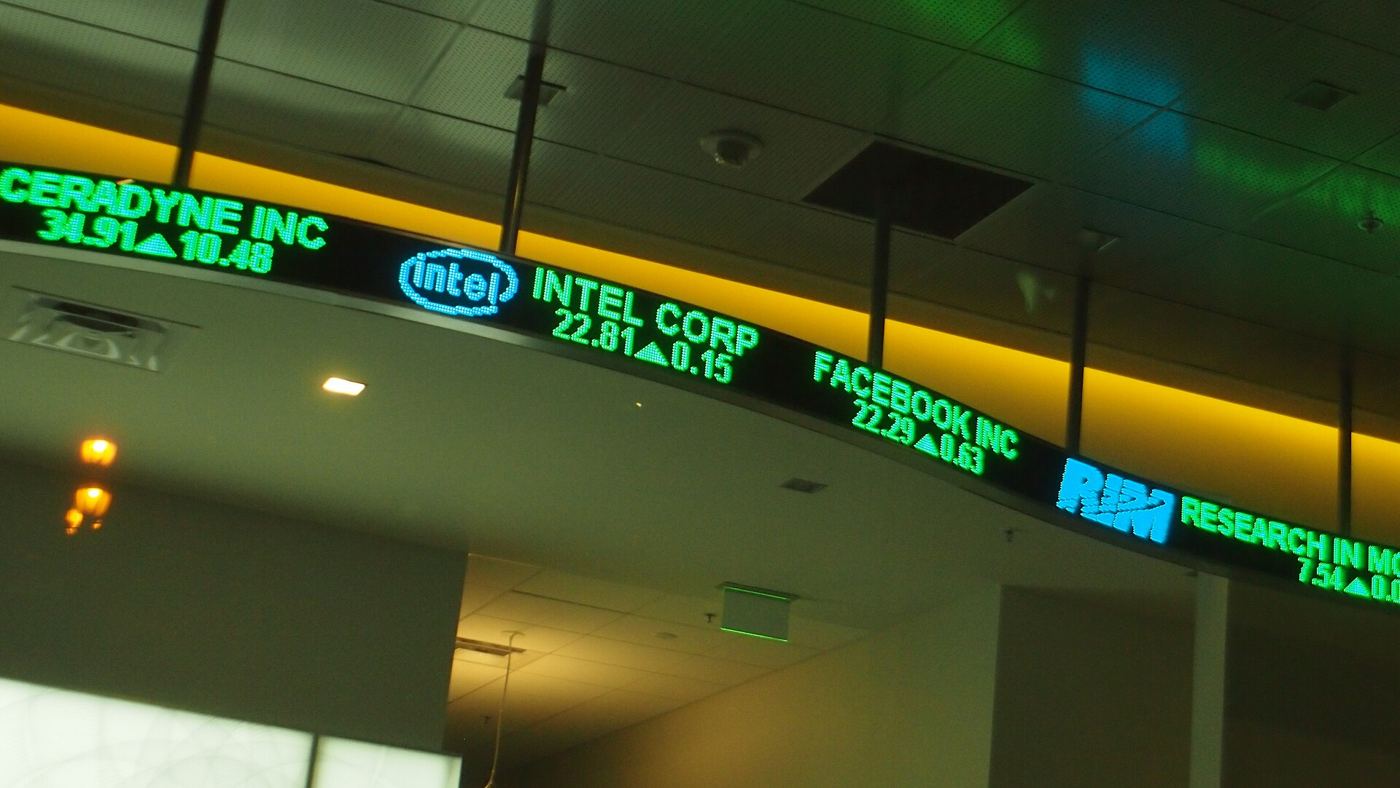
Nasdaq 100 futures rose about 3 percent on Monday November 23 2026, and S and P 500 futures gained about 2 percent, as Wall Street attempted a rebound after its worst week since March 2020. The Nasdaq Composite had plunged 5.3 percent on Friday to 22617, falling 10 percent over the week, while the S and P 500 dropped 3.7 percent to 6910 and entered correction territory. Futures on the Dow Jones Industrial Average gained about 1.9 percent, or nearly 800 points, in early trading. The recovery was helped by Asian authorities stepping in to support their own markets, with China cutting margin requirements and state funds buying a record amount of exchange traded funds.
What the Evidence Shows
The rebound came after a week in which world shares fell 8.1 percent and the Nasdaq gave up all of its gains for 2026, driven by Nvidia’s leadership crisis, a weak debut for Anthropic’s record listing, and a Federal Reserve that is still raising rates. A gauge of expected Nasdaq 100 volatility stands at its highest since April 2020, a sign of how nervous investors remain. Nvidia rose about 8.5 percent in premarket trading after falling 14 percent on Friday, while Anthropic gained about 3 percent after closing at 88.90 dollars. The test now is whether the bounce holds when American markets open, or whether it proves to be a brief pause in a deeper selloff. Reporting and analysis from sources such as International Monetary Fund track the same developments, and specialists following Nasdaq futures jumping 3 percent say the direction is now consistent across independent lines of evidence.
The Wider Context
The wider context is a financial system repricing risk after a long era of cheap money. Decisions shaped by Nasdaq futures jumping 3 percent are being made under closer supervisory attention, with stress tests and disclosure rules that assume conditions can worsen quickly. Institutions that planned for the benign case are adjusting in public, which is uncomfortable and healthy in equal measure.
What Happens Next
What happens next with Nasdaq futures jumping 3 percent will be visible first in the data that professionals watch weekly: flows, spreads and the terms on new deals. Participants who spoke for this article expect a period of adjustment rather than drama, with the biggest effects landing on those who assumed the old conditions were permanent. Planning, as ever, is the cheapest hedge. You can follow related developments in our coverage of finance.
There is a practical lesson in all of this for readers deciding what to do today. Start with the verified facts, be wary of anyone promising certainty, and prefer reversible steps while the evidence is still developing. Circumstances differ by country, income and personal situation, so general guidance should always be weighed against your own context before you act on it in any significant or lasting way.
