

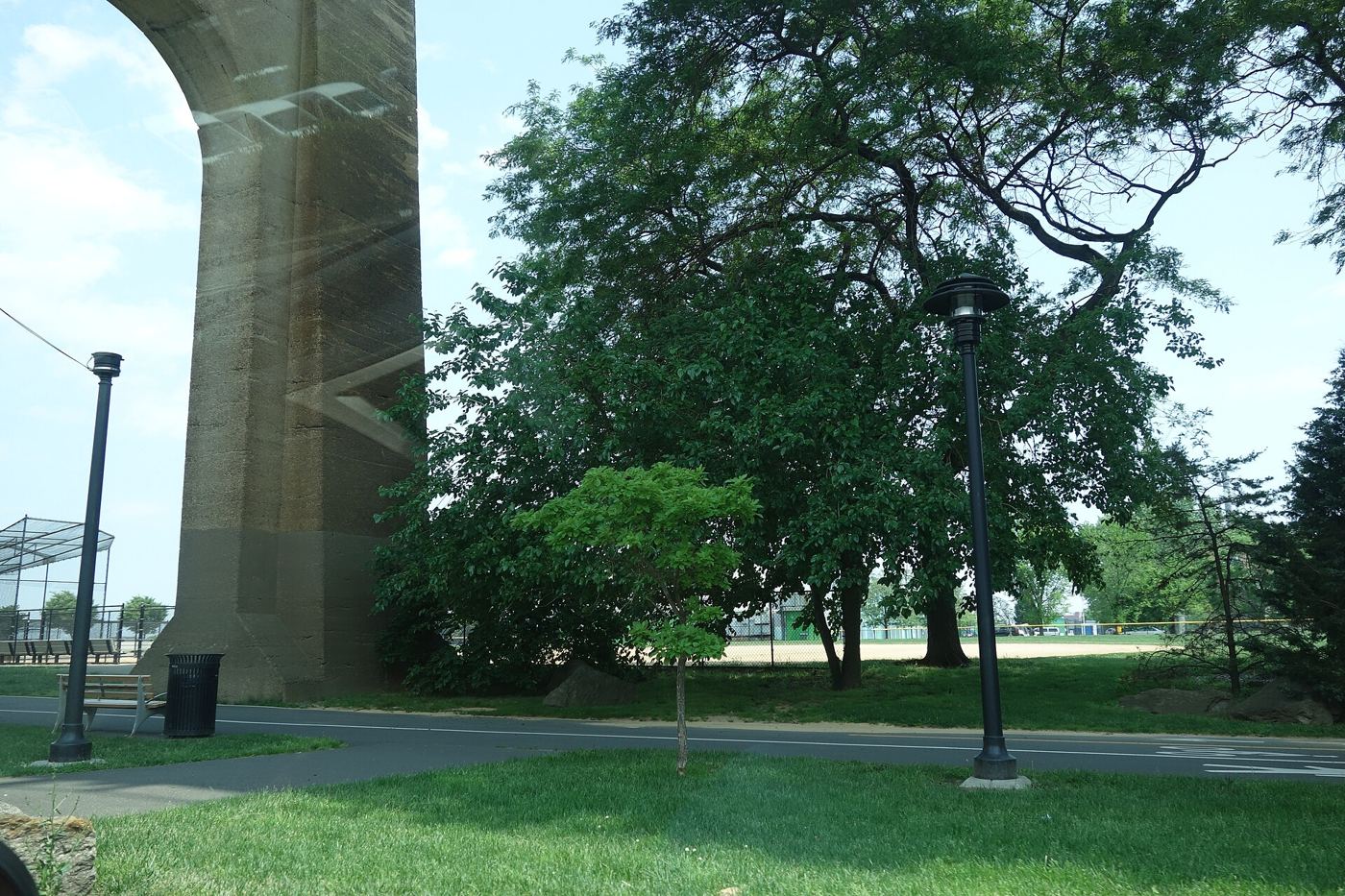
Park entrances are getting clearer signs designed to help first-time visitors find their way without wandering or missing the best parts of each green space. The new boards show simple maps with toilets, cafes, play areas, drinking water and step-free routes marked in plain language, replacing faded notices that listed rules but little useful information. Designers have used larger lettering and symbols tested with partially sighted visitors, and each map is oriented to the direction the reader is actually facing, a small detail that prevents the familiar confusion of turning a map around. QR codes link to the same information in several languages and in audio form for people who prefer to listen. Regular visitors say the signs also settle common questions from strangers, freeing rangers to deal with real problems. The programme began with the parks that receive the most visitors from outside the neighbourhood. The first boards were installed this week, and staff are watching how visitors use them before finalising the rest.
What the Evidence Shows
Friends groups helped choose what deserved marking, arguing that community gardens, sports pitches and quiet areas matter as much as headline attractions. Specialists following clearer park entrance signs say good wayfinding spreads visitors more evenly, reducing wear on the busiest paths and lawns. Damaged or outdated boards will be reported through the same system residents use for park faults. Designers also left space on each board for seasonal notices, such as event days or path closures. The remaining entrances are scheduled for new signs during the next maintenance round. Rangers will monitor whether the signs reduce the number of visitors arriving at locked side gates or closed facilities. The design team tested draft boards in the parks before ordering the full set, changing two symbols that visitors consistently misunderstood. That testing, they say, cost little and prevented a confusing rollout across dozens of entrances at once. Reporting and analysis from sources such as Reuters track the same developments, and specialists following clearer park entrance signs say the direction is now consistent across independent lines of evidence.
The Wider Context
The wider context is a public conversation conducted at a speed institutions were not built for. Developments around clearer park entrance signs are announced, contested and revised within a single news cycle, and the officials involved have learned to publish evidence alongside claims so that scrutiny can actually occur. Trust, the polling suggests, follows that transparency more than it follows confidence.
What Happens Next
What happens next in the story of clearer park entrance signs will be decided in the places where it is being implemented, measured and argued about in public. The officials and organisations involved have committed to publishing progress data, and that commitment gives residents, businesses and journalists something firmer than promises to judge. The next milestones are dated, which means they can be checked. You can follow related developments in our coverage of news.
There is a practical lesson in all of this for readers deciding what to do today. Start with the verified facts, be wary of anyone promising certainty, and prefer reversible steps while the evidence is still developing. Circumstances differ by country, income and personal situation, so general guidance should always be weighed against your own context before you act on it in any significant or lasting way.
