Close Menu
    Facebook X (Twitter) Instagram
    Trending
    • Honeybees and Wild Pollinators Keep Gardens and Farms Blooming
    • Cold Storage Is Becoming the Sensible Default for Long-Term Holders
    • Sleep in Teenagers Improves When Routines Match Their Body Clock
    • Renovated Market Halls Are Drawing Shoppers Back Into Struggling Town Centres
    • Airgeddon: A Complete Guide to Wireless Network Auditing
    • Investors Watch Earnings Season for Signs of Consumer Strength
    • Firefighters Test High-Rise Rescue Skills in City Drill
    • Listening Devices Help Crews Find Hidden Water Leaks
    Facebook X (Twitter) Instagram
    YvanTurf
    • Home
    • Daily Tips
    • Results & Accuracy
    • Big Races
    • Betting Guides
    YvanTurf
    Home»Daily Tips»Honeybees and Wild Pollinators Keep Gardens and Farms Blooming
    Daily Tips

    Honeybees and Wild Pollinators Keep Gardens and Farms Blooming

    Oliver LarsenBy Oliver LarsenNovember 3, 2026No Comments3 Mins Read
    Facebook Twitter Pinterest LinkedIn Tumblr Email
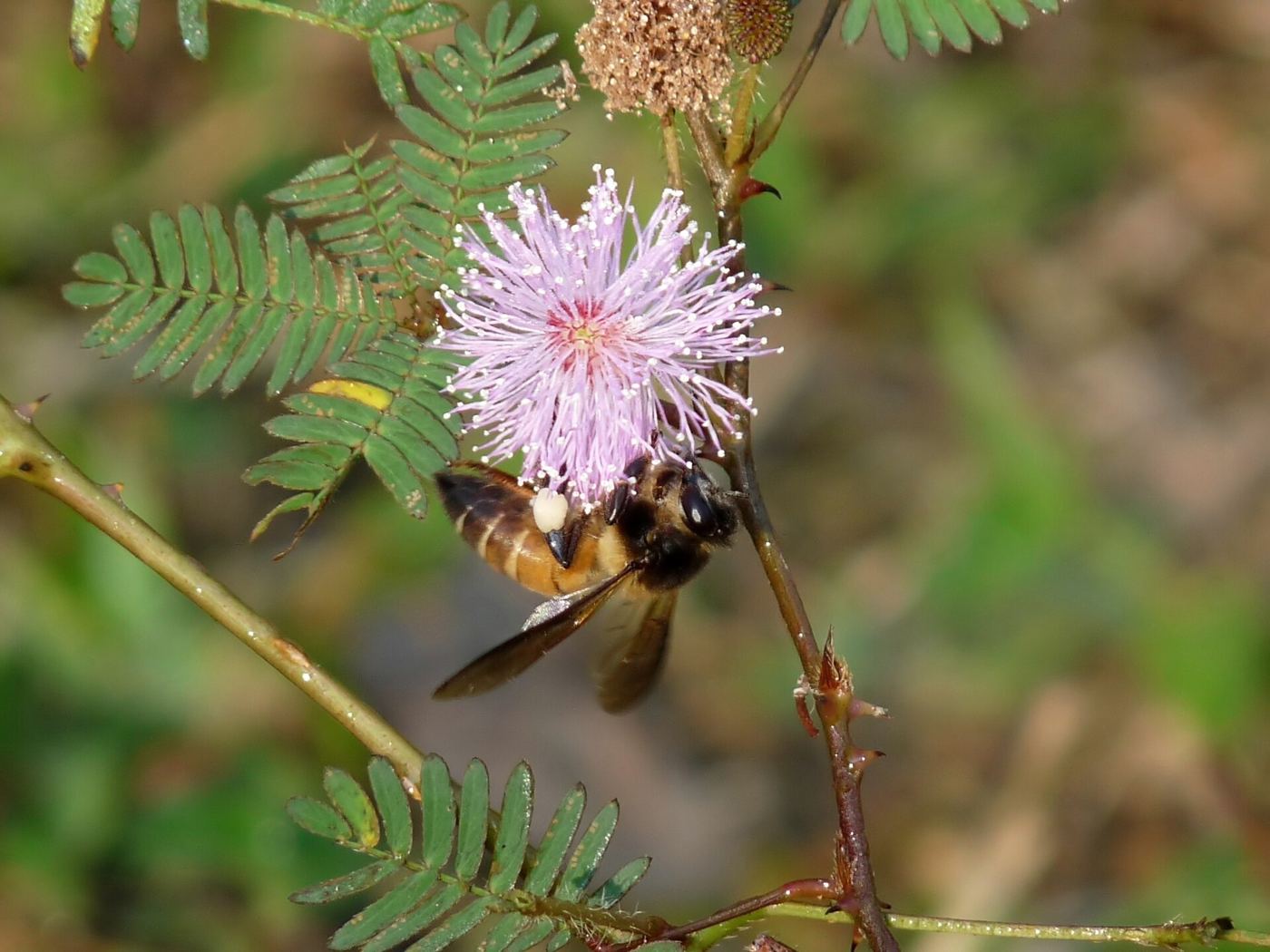
    A honeybee covered in pollen collects nectar from a bright flower in close up.

    On a warm morning, a honeybee moving from flower to flower is doing far more than collecting food for its colony. As pollen sticks to its body and brushes onto the next bloom, the bee helps plants produce seeds and fruit. Many garden crops and wildflowers depend on insects for this transfer, which is why pollinators attract so much scientific and public attention. Honeybees are the most familiar species, but bumblebees, solitary bees, butterflies and other insects also play important roles. Researchers study which flowers different pollinators visit, how far they travel and how weather, habitat loss and pesticide exposure affect their ability to survive and reproduce throughout each active season.

    What the Evidence Shows

    Protecting pollinators does not require a large farm or research budget. Leaving some flowers to bloom, providing shallow water, avoiding unnecessary insecticide use and planting a sequence of nectar rich plants across the seasons can all help in gardens and public spaces. Scientists caution against simple claims that one action will save bees, because pressures on pollinators are varied and differ by species and place. Monitoring schemes, where volunteers record insects they see, provide valuable evidence about population changes over time. Farmers are also experimenting with flower strips and hedgerows that support pollinators alongside productive fields. The picture is complex, but the central message is clear: diverse, flower rich habitats give pollinators a better chance. Reporting and analysis from sources such as National Science Foundation track the same developments, and specialists following honeybee flower pollen pollinators say the direction is now consistent across independent lines of evidence.

    The Wider Context

    The wider context is a research landscape in which replication and open data now decide reputations. Findings connected to honeybee flower pollen pollinators are being checked by independent groups with shared datasets, and the teams involved publish their methods in full so rivals can test every step. That discipline is slower than a headline cycle, but it is why results in this area increasingly survive first contact with scrutiny.

    What Happens Next

    What happens next in the story of honeybee flower pollen pollinators will be decided by follow-up work already under way: larger samples, longer observation and instruments that have not yet come online. The researchers involved are unusually united on one point, that the current results justify the next investment of time and money. Readers will not have to wait long for the first tests of that claim. You can follow related developments in our coverage of science.

    There is a practical lesson in all of this for readers deciding what to do today. Start with the verified facts, be wary of anyone promising certainty, and prefer reversible steps while the evidence is still developing. Circumstances differ by country, income and personal situation, so general guidance should always be weighed against your own context before you act on it in any significant or lasting way.

    Biodiversity honeybees pollinators
    Previous ArticleCold Storage Is Becoming the Sensible Default for Long-Term Holders
    Oliver Larsen

    Related Posts

    Cold Storage Is Becoming the Sensible Default for Long-Term Holders

    November 3, 2026

    Sleep in Teenagers Improves When Routines Match Their Body Clock

    November 2, 2026

    Renovated Market Halls Are Drawing Shoppers Back Into Struggling Town Centres

    November 2, 2026

    Investors Watch Earnings Season for Signs of Consumer Strength

    November 1, 2026

    Firefighters Test High-Rise Rescue Skills in City Drill

    November 1, 2026

    Listening Devices Help Crews Find Hidden Water Leaks

    November 1, 2026
    Add A Comment
    Leave A Reply Cancel Reply

    Search
    Recent Posts

    Honeybees and Wild Pollinators Keep Gardens and Farms Blooming

    November 3, 2026

    Cold Storage Is Becoming the Sensible Default for Long-Term Holders

    November 3, 2026

    Sleep in Teenagers Improves When Routines Match Their Body Clock

    November 2, 2026

    Renovated Market Halls Are Drawing Shoppers Back Into Struggling Town Centres

    November 2, 2026

    Airgeddon: A Complete Guide to Wireless Network Auditing

    November 2, 2026

    Investors Watch Earnings Season for Signs of Consumer Strength

    November 1, 2026
    About Us

    YvanTurf provides daily expert tips, accurate race results, comprehensive betting guides. Focus on Tiercé, Quarté+, Quinté+ predictions, helping punters make informed decisions using data-driven insights and clear analysis.

    Suitable for beginners, experienced bettors seeking reliable turf advice. #YvanTurf

    Popular Posts

    Renovated Market Halls Are Drawing Shoppers Back Into Struggling Town Centres

    November 2, 2026

    Airgeddon: A Complete Guide to Wireless Network Auditing

    November 2, 2026
    Contact Us

    We appreciate your feedback! If you have a question, need assistance, or would like to connect, please don’t hesitate to reach out. Our team is always here to help you.

    Email: [email protected]
    Phone: +62 823 19299387

    Address: 757 Coffman Alley Elizabethtown, KY 42701

    Facebook X (Twitter) Instagram Pinterest
    • About Us
    • Contact Us
    • Disclaimer
    • Privacy Policy
    • Terms and Conditions
    • Write For Us
    • Sitemap
    Copyright © 2026 | All Rights Reserved | YvanTurf

    Type above and press Enter to search. Press Esc to cancel.

    WhatsApp us