

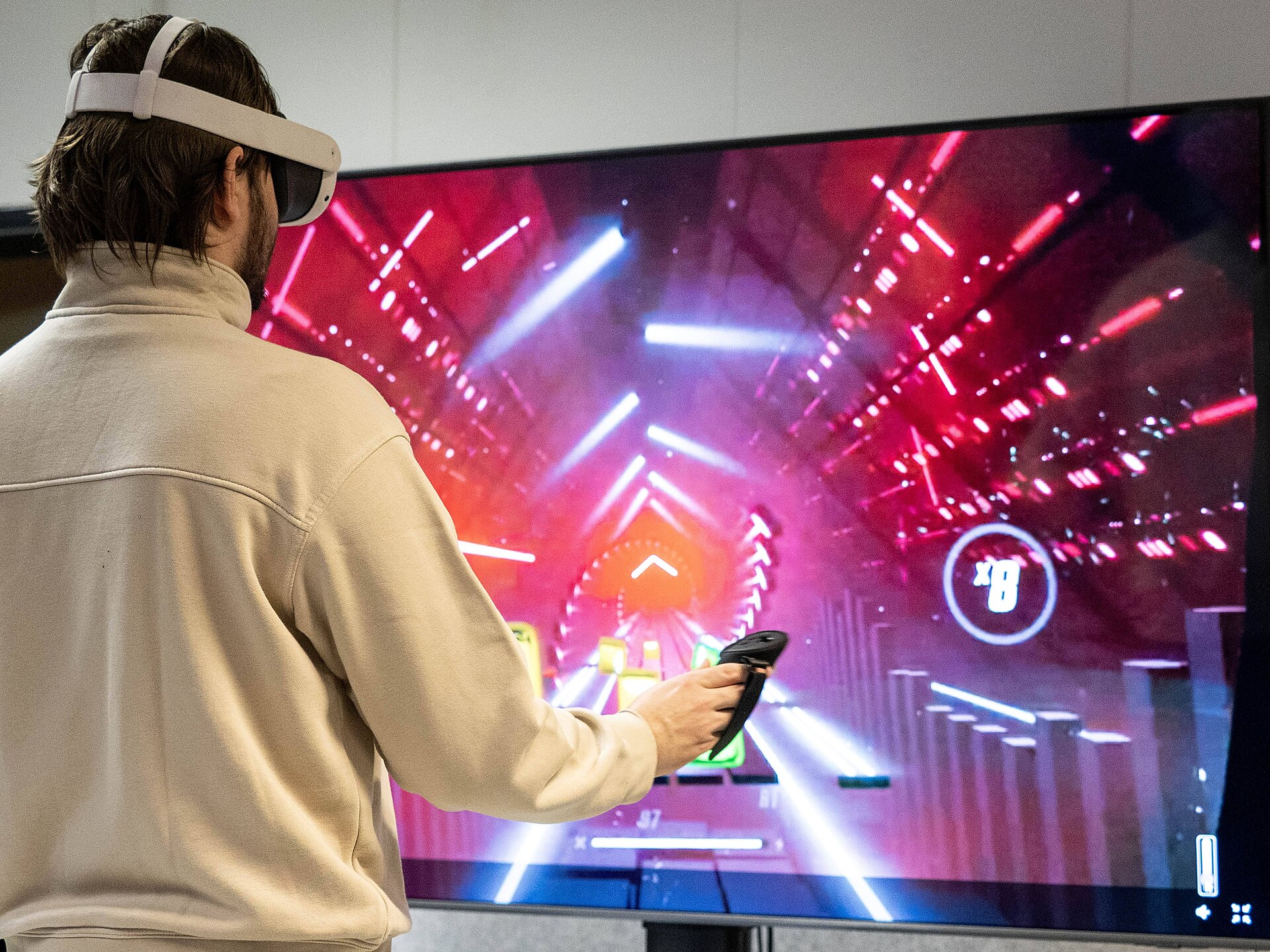
Walking naturally through a virtual world, rather than pushing a thumbstick and hoping your stomach agrees, has been the missing piece of home virtual reality for a decade. Virtuix, the company behind the Omni line of omnidirectional treadmills, is now betting that a partnership with Meta can finally bring that experience into ordinary living rooms. Under the deal, Virtuix will sell its Omni One treadmill bundled with Meta Quest headsets, pairing full-body movement hardware with the best-selling standalone VR platform on the market.
The bundle matters because it removes the two biggest barriers that have kept VR treadmills niche: compatibility and setup. Instead of researching whether a treadmill works with a particular headset, PC and game catalogue, buyers get a matched package designed to work together out of the box. For readers following gaming and technology coverage on our homepage, it is a clear sign that immersive hardware is moving from enthusiast workshops toward the mainstream consumer shelf.
How the Omni One treadmill works
The Omni One is not a conventional treadmill with a moving belt. It uses a smooth, low-friction concave dish and specialised overshoes that let players walk, run, crouch and turn in any direction while staying in one place. A support harness keeps users centred over the dish, and sensors translate their steps into movement inside the game. The result is that your legs, not a controller, decide how fast your character moves.
That design addresses one of VR’s oldest problems: motion sickness. When your eyes tell your brain you are moving but your body stays still, the mismatch can cause nausea within minutes. When your body actually walks, the signals line up far better. Players also report a stronger sense of presence, because turning a corner or backing away from danger becomes a physical action rather than a button press. Meta’s own Quest platform page shows how heavily the company is investing in standalone, untethered play, and a treadmill that needs no gaming PC fits that strategy neatly.
Why the Meta partnership changes the maths
Virtuix has sold movement platforms to arcades, training facilities and the military for years, but the home market is different. Home buyers need a known headset, a trusted storefront and games that support the hardware on day one. Bundling with Quest gives Virtuix instant access to millions of headset owners and to Meta’s content ecosystem, while Meta gains a premium accessory story at a time when headset sales alone are a harder pitch.
There is also a fitness angle that neither company is shy about. A session spent walking and running through a game world is genuine exercise, and VR fitness has already proved it can keep people active who would never stick to a conventional workout. Industry coverage from The Verge’s VR desk has tracked how fitness apps became one of the Quest store’s most durable categories. A treadmill deepens that proposition: step counts, distance and calories become natural by-products of playing, not chores tracked out of guilt.
What buyers should weigh before ordering
None of this comes cheap or small. Omnidirectional treadmills are premium hardware, they need dedicated floor space, and players must check that the games they care about actually support full-body locomotion. Weight limits, ceiling height for raised arms, and noise for downstairs neighbours are all practical considerations that a headset alone never raised.
Storage matters too. The Omni One is designed to be more compact than Virtuix’s earlier arena systems, but it is still a piece of furniture. Prospective buyers should measure their play space honestly, read the return policy, and, if possible, try a demo unit at an arcade or exhibition before committing. Our Daily Tips section regularly covers how to evaluate new gaming hardware before spending serious money, and the same discipline applies here.
A sign of where immersive gaming is heading
The deeper story is that VR is shifting from a display technology to a whole-body medium. Headsets solved vision and hand tracking; treadmills tackle locomotion; haptic accessories are working on touch. Each layer removes another reminder that you are standing in your living room, and each layer opens new design space for developers, from exploration games and virtual tourism to rehabilitation and workplace training.
Whether the Omni One and Quest bundle becomes a mass-market hit or remains a beloved enthusiast product, the partnership itself is telling. The largest VR platform holder in the world has decided that natural walking is worth selling alongside its headsets. For players who have waited since the first VR demos for the technology to let them simply walk into another world, that is the most encouraging news in years, and a development worth watching closely as pricing, game support and shipping dates firm up.
